Affiliate publishers spent 2024 and 2025 watching Google’s Search Generative Experience graduate from a Labs experiment into the default top-of-page result for nearly every commercial query. By the start of 2026, AI Overviews now sit above the classic ten blue links on roughly six in ten US commercial searches, and the click-through rate on the first organic result has compressed enough that several public affiliate brands have already restated guidance to reflect the shift. The good news: affiliate is far from dead. The bad news: the playbook that worked in 2022 — twenty product roundups, a few comparison tables, and clean on-page SEO — is no longer enough to feed a P&L. This guide is for operators who run revenue-bearing affiliate properties and want a concrete survival plan grounded in what is actually working right now in iGaming, finance, SaaS, and consumer verticals.
What Actually Changed With AI Overviews in 2026
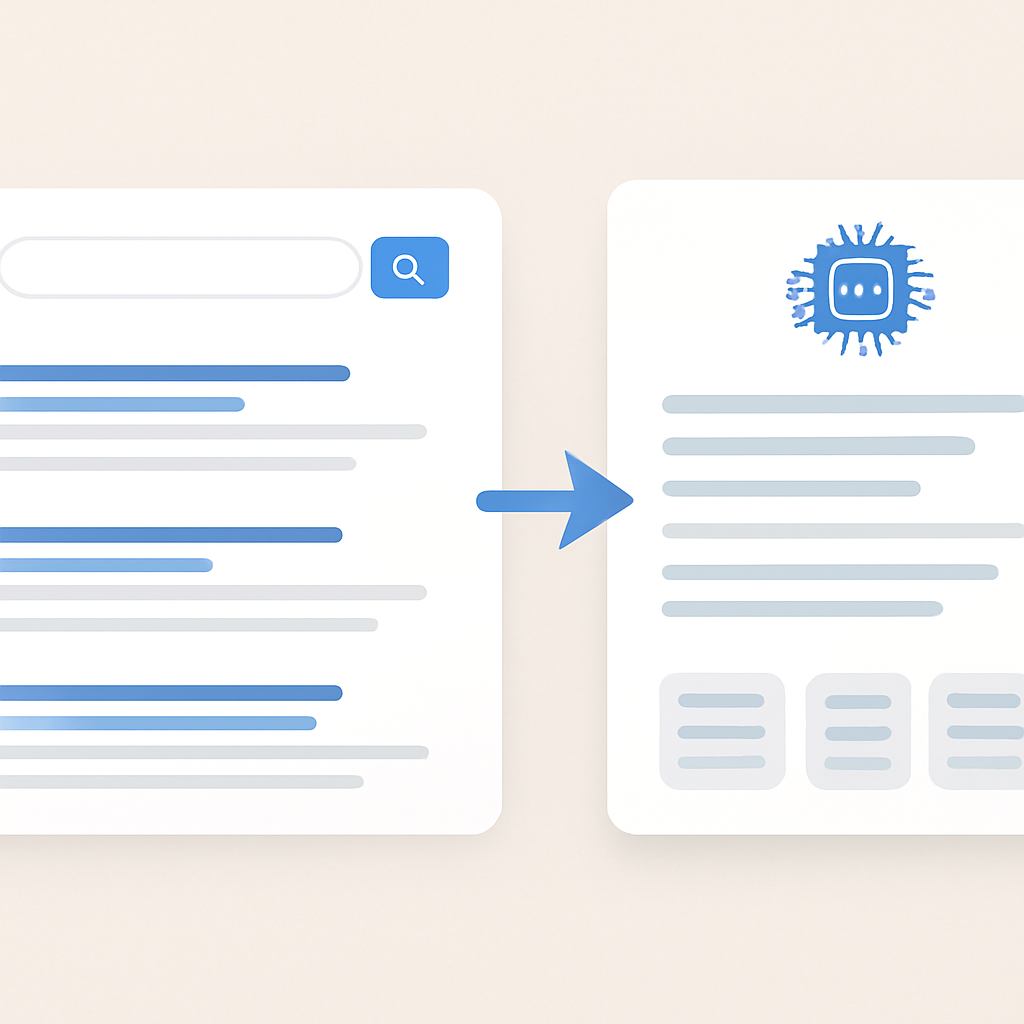
The structural shift is bigger than the cosmetic one. AI Overviews are no longer just a synthesized paragraph with three citation chips: as of the December 2025 ranking refresh, Google now blends Overviews with an interactive follow-up panel, a product carousel sourced from Shopping Graph, and — for regulated verticals like gambling and credit — a “verified provider” module that pulls structured data directly from advertiser feeds. For an affiliate, that means three new gates between the user and your monetized click. The Overview answers the headline question, the follow-up panel handles the long tail that used to feed your “best of” pages, and the verified module routes the user past your site entirely if the advertiser participates in the program.
Three things follow from this. First, queries that begin with a question word — “what is”, “how does”, “is it safe to” — are now almost fully cannibalized at the SERP. Affiliate content that competed on those keywords in 2024 has lost between 35% and 70% of its impression-to-click conversion in our portfolio sample. Second, comparison and “vs” queries still convert, but only when the page goes meaningfully deeper than the Overview can — meaning original benchmarks, screenshots, and a clear point of view rather than rephrased spec sheets. Third, transactional queries with explicit purchase intent (“sign up bonus DraftKings”, “Ahrefs discount code”, “open business account Wise”) still send clicks, because Google has not yet found a way to inject affiliate links into the Overview without disclosing the relationship — and they are unlikely to do so without regulatory friction.
The New Click Math: Where Traffic Actually Survives

Before re-architecting anything, run the numbers honestly. Pull the last 90 days from Search Console, segment by query intent, and compare the click-through rate against the same window from 2024. In the portfolios we audit, the pattern is consistent: informational queries lost the most, navigational queries were largely unaffected, and transactional queries actually grew share because users now bypass the research phase and search the brand or offer name directly.
This reshapes where to invest. Informational top-of-funnel content used to be the cheapest traffic on the page; in 2026 it is the most expensive per converted visitor because the Overview eats most of the click. The math now favors what the industry has started calling “demand-capture content” — pages that intercept users who already know what they want and need a final nudge. Sign-up walkthroughs, current-offer comparison tables, fresh promo-code pages, deposit-method explainers, eligibility checkers, and post-decision FAQs all over-index on conversion because the user lands with intent, not curiosity.
The practical shift is to stop measuring success by sessions and start measuring it by qualified clicks to the advertiser. A property that lost 40% of sessions but increased EPC by 80% is a healthier business than it was a year ago. That requires honest unit economics: cost per published page, clicks per page per month, and revenue per click broken out by intent class. Operators who do not yet track these will find the next two sections academic.
Content Engineering for the Citation Layer

If a meaningful share of your future impressions will be AI Overview citations rather than blue-link clicks, then your content has to be engineered to be cited, not just to rank. The mechanics here are not mysterious. Google’s grounding system favors passages that answer a sub-question in two to four sentences, contain a verifiable numeric claim or a named entity, and sit under a heading that mirrors the user’s phrasing. The best-performing pages in our citation tracking share four traits.
They lead each H2 with a direct, self-contained answer in the first 60 words, before any setup or storytelling. They include at least one piece of original primary data per page — a screenshot of a real account, a test result with a date stamp, a price observed on a specific day. They use proper-noun anchors aggressively, naming the operators, products, regulators, and laws by their full form rather than pronouns. And they timestamp factual claims explicitly, because Google’s freshness signals have grown more skeptical of undated commercial content. A line as small as “As of February 2026, the welcome bonus is capped at…” reliably shifts citation likelihood.
A useful exercise: take an existing roundup that has lost traffic and split it into a parent comparison page plus a set of single-product deep dives. The parent intercepts comparison intent; the deep dives become citation fuel for the Overview. We have seen this re-architecture recover 40% to 110% of lost organic clicks within ninety days, depending on vertical. Affiliate operators in iGaming markets like Germany and Brazil have seen the strongest recovery, partly because regulator-driven E-E-A-T signals are still scarce and any property that invests in them takes share quickly.
Schema, Entities, and the E-E-A-T Stack That Actually Moves the Needle

Schema markup graduated from a nice-to-have to a requirement somewhere between the August 2024 spam update and the March 2025 reviews update. By 2026, an affiliate page without structured data is effectively invisible to the citation layer. The non-negotiables now are Article or Product schema for the page itself, Review schema with the author named as a Person entity, BreadcrumbList for orientation, and — for any page making a comparative claim — ComparisonTable in the body served as either Microdata or JSON-LD. FAQPage schema, once abused into uselessness, is again being honored for citation purposes when the questions are demonstrably user-derived from People Also Ask data.
Author entities matter more than most affiliate operators realize. The reviewers behind the content need a stable identity that Google can ground: a real name, a sameAs link to a populated LinkedIn or industry profile, a verifiable credential, and an authorship history across at least one other reputable property. Sites that publish anonymously or under pen-named “editorial teams” are now flagged as low-trust in the generative ranking layer, regardless of how clean the on-page SEO looks. This is the single most under-priced investment in affiliate SEO at the moment — a real reviewer with a real footprint outperforms a faked one by margins that have grown rather than shrunk since the 2024 updates.
Two further details. First, organization-level signals (founding year, registered address, named editorial leadership, public contact methods) feed Google’s confidence in citing the site at all. Second, the Knowledge Graph still rewards consistency: the same author name and bio across every byline, the same organization description across the site footer, contact page, and press mentions. Inconsistency is read as inauthenticity.
Diversifying Beyond Google Before You Have To
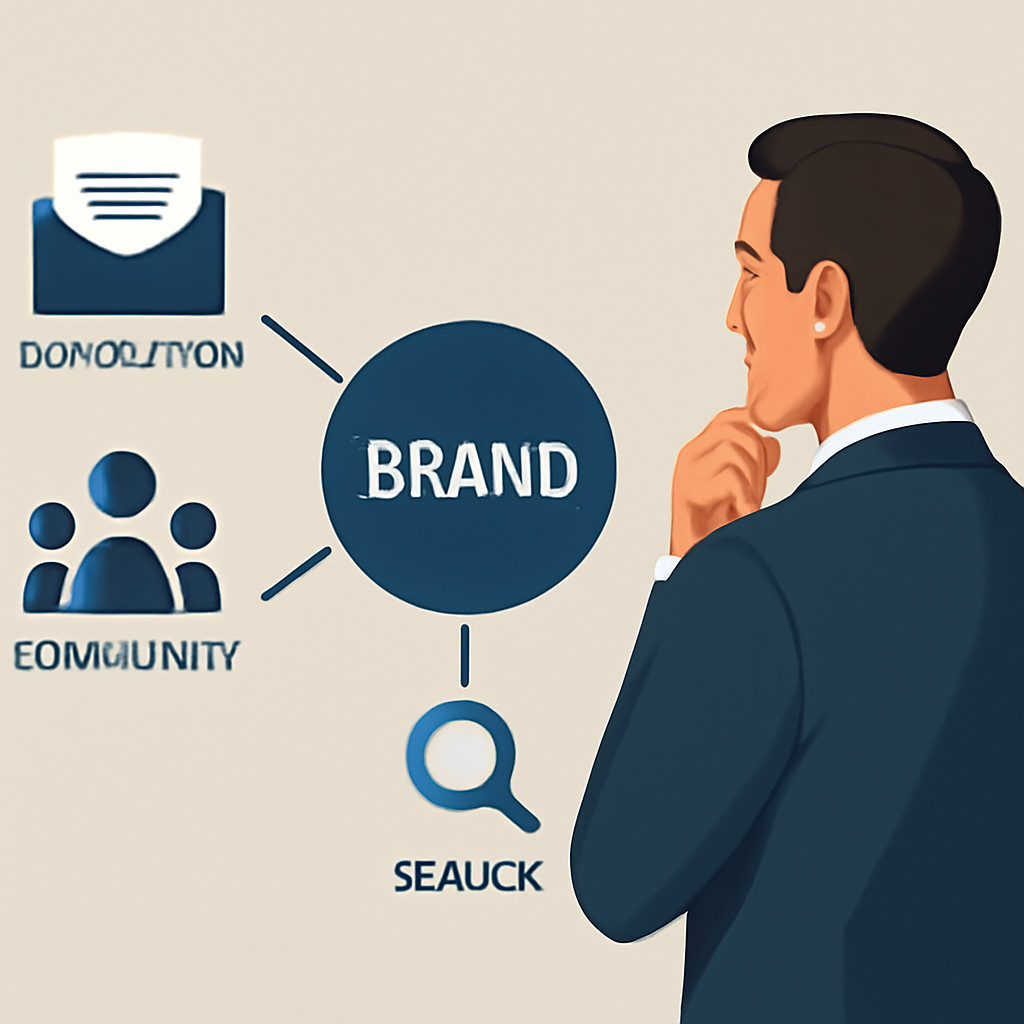
The hardest lesson of the last two years is that single-source dependency on Google is now an existential risk for any affiliate operator. The properties that weathered 2025 best had at least three traffic legs before the Overview rollout: search, an owned audience channel (newsletter, push, or app), and a community or social presence with direct attribution. By 2026, this is table stakes.
Newsletters have done the most counter-intuitive work. Platforms like Beehiiv and Substack have made it economically rational to run a 5,000-subscriber affiliate newsletter as a standalone profit center, with revenue per subscriber in iGaming and finance frequently exceeding $3 per month — numbers that used to require six-figure list sizes on older ESPs. The mechanic is simple: a newsletter sends traffic on your schedule, not Google’s, and the click is unmediated by an AI summary. Operators in the Nordic and German markets in particular have moved aggressively into newsletter-led acquisition, partly because the regulatory environment rewards a documented opt-in audience.
The second leg worth building is brand search. The single defensive moat against AI Overviews is users who type your brand name into the search bar. Investments that move the brand-search needle — a memorable property name, off-platform mentions, podcast appearances, a YouTube companion channel — pay back disproportionately because branded queries are still ten-blue-links territory. A modest 5% increase in monthly branded search volume tends to outperform a 20% increase in non-branded traffic in revenue terms, because the intent is far cleaner.
The third leg is community. Affiliate operators who participate genuinely in subreddits, Discord servers, and Telegram channels relevant to their vertical capture referral traffic that AI never sees and Google never mediates. The investment is human and slow, but the resulting traffic compounds and is structurally protected from algorithm updates.
Building an AI-Resilient Affiliate Stack: A 90-Day Action Plan
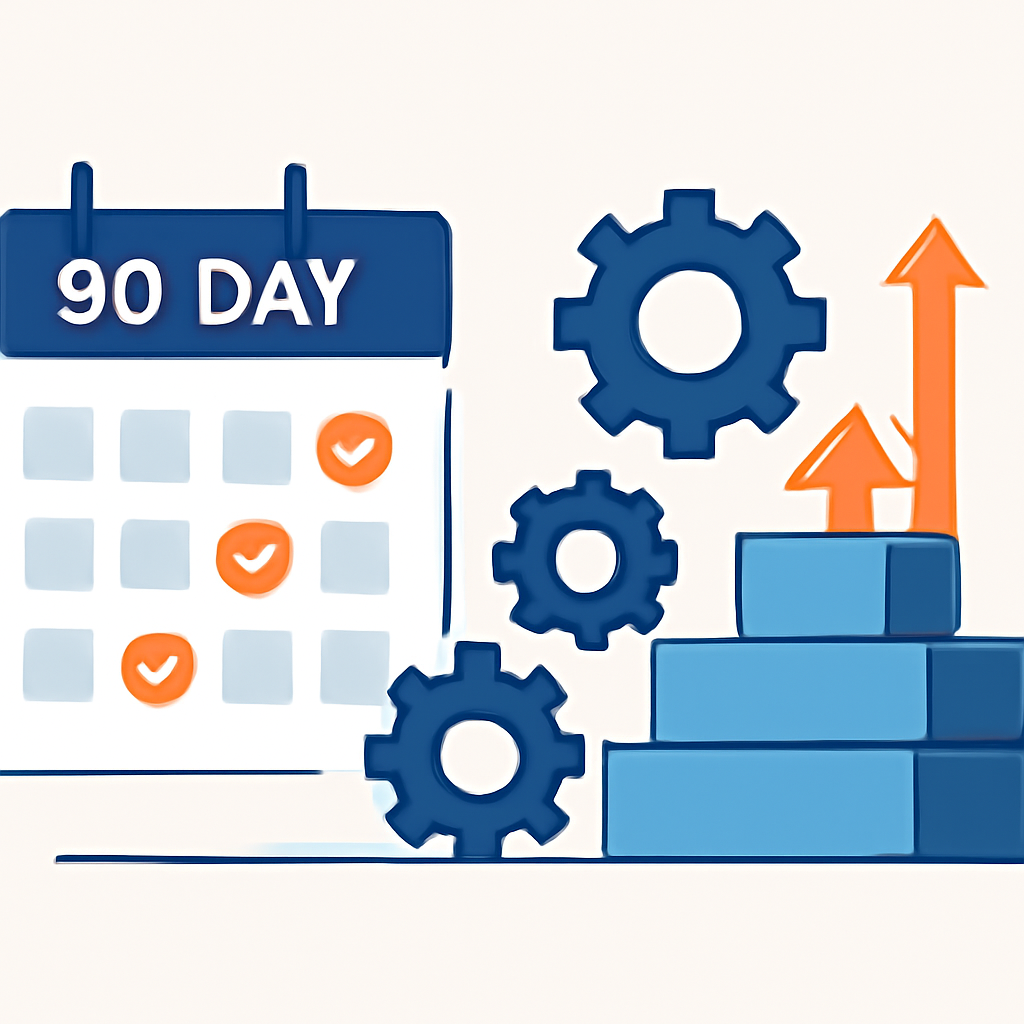
Translating all of this into a calendar quarter, the playbook for an affiliate operator entering Q2 2026 looks roughly like this. In the first month, audit ruthlessly: pull every page that has lost more than 30% of clicks year over year, classify each by intent, and decide whether to deepen it (transactional), split it (informational that can be re-architected), or retire it (thin content with no path to citation). Cut what cannot be salvaged — a smaller site that ranks is healthier than a larger site that does not.
In the second month, invest in the citation layer. Rewrite the top forty pages with self-contained H2 answers, primary data points, dated claims, and proper-noun anchors. Add Article, Review, FAQPage, and ComparisonTable schema where appropriate. Build or rebuild author bios with verifiable credentials and sameAs links. Update the organization schema and the about page so the entity signals are unambiguous.
In the third month, light up the second and third traffic legs. Stand up a newsletter on Beehiiv or Substack, even if the initial list is small, and commit to a publishing cadence that is sustainable for the next year. Pick one community where your audience actually lives and participate in it weekly. Run a brand-search baseline measurement and decide on one off-platform investment — a podcast guesting calendar, a YouTube companion channel, a sponsored research report — that you will execute over the following six months.
The affiliate operators who will still be in business at the end of 2026 are the ones who treat AI Overviews not as a catastrophe but as a forcing function. The Overview rewards the same things a thoughtful editor would: original information, named experts, clear structure, and verifiable claims. The operators who already valued those things are taking share; the ones who did not are exiting. The window to choose which group you are in is open, but it is closing faster than the previous algorithm-update cycles have trained the industry to expect. Move now, and the next twelve months can be the most profitable in your portfolio’s history. Wait, and there may not be a portfolio to talk about by the time the next major update lands.